
Eliminating AI Tells & Enforcing Voice Standards
Why standard AI text sounds generic, and how OREoS enforces strict prompt fencing, character constraints, and voice rules so every draft reads like a human copywriter wrote it.
In this playbook
- Stripping passive AI markers and robotic filler words
- Enforcing strict platform character limits before drafting
- Using structured, high-converting hooks instead of generic openers
There is a specific, learnable set of habits that make a sentence read as machine-written rather than human-written, and most of them have nothing to do with whether the sentence is factually correct. They are rhythm habits: the em-dash used as a catch-all connector instead of a comma, a colon, or a full stop. The three-item list that pads instead of informing. The em-dash aside that dodges committing to one clean sentence. 'Let that sink in.' A closer that restates the opener in slightly grander language.
None of these make a sentence wrong. They make it recognizable, and recognizable is the opposite of a brand voice that is supposed to sound like one specific business, not like every business that ran the same model with the same default settings.
OREoS treats this as an enforceable constraint, not a style suggestion applied after the fact. The em-dash ban is the clearest example: it is checked, not just requested. A draft that slips one in gets caught before it reaches you, the same way the product's own repository enforces zero em-dashes in its own commit history and documentation. The rule that exists for what the product writes about itself is the same rule enforced on what it writes for you.
Character limits work the same way, enforced before generation rather than trimmed after. Writing 400 characters and cutting to fit X's limit produces an amputated thought: the point you actually wanted to make gets cut along with the words. Writing to the real limit from the first draft produces something that was built to fit, which reads tighter and more deliberate, not truncated.
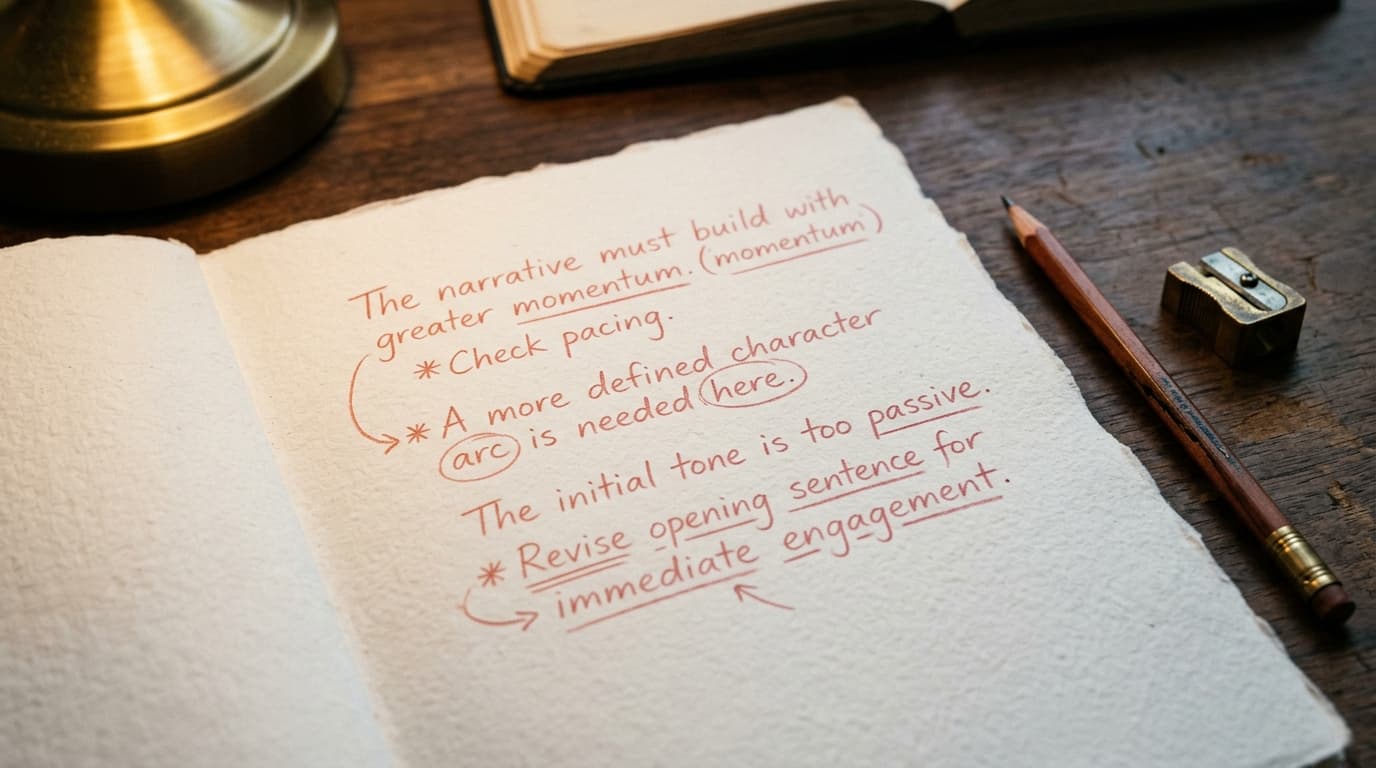
The opening line gets specific attention, since it decides whether anyone reads the second one. Generic openers like a rhetorical question or a restated obvious fact get filtered out in favor of a structured hook: a specific number, a real customer detail, a stated stake, or a direct claim you can actually back with a product fact. That structure comes from your own successful posts and your own catalog, not from a library of universal templates that read the same on every account that uses them.
The result you are checking for is not 'does this sound impressive,' it is 'could I have written this.' If a draft reads like something from a template library, that is the signal to send it back, and every rule above exists to make that outcome rare rather than the default.
Put this into practice with a workspace that already knows your brand.
See pricing